Sponsored by: Clear Water Nitrate Reduction

You can also choose to use TommieBot, an AI search assistant developed by St. Thomas School of Engineering students and faculty.
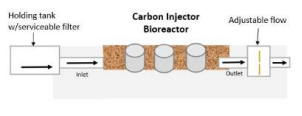
Take me to TommieBotAgricultural runoff polluted with nitrogen and phosphorous is one of the largest water health, and economic issues within the US. The Gulf of Mexico dead zone is a direct result from excessive agricultural pollution. Clear Water Nitrate Reduction is a startup business seeking to reduce the amount of nutrients from agricultural runoff. The current reduction method utilizes a bioreactor and constructed wetland. A bioreactor is a vessel containing materials that allow chemical reactions to occur. In this case, the materials are either woodchips or biochar. There is currently not a feasible way of replenishing organic material when it has become clogged.
The Clear Water design team aims to create a method of replacement for the carbon source; this allows the used biochar or woodchips to easily be replenished at the end of their lifespan. The design team also aims to utilize software to determine potential field locations to utilize this updated bioreactor.
Sponsored by: Clear Water Nitrate Reduction
Student Team:
Industry Representative: Ian Roback
Faculty Advisor: Travis Welt

Pictured left to right: Chris Flynn, Will Elskamp, Bella Flug, Amber Loken, Eamon Hauth-Schmid