Streamlined Admissions Process
A bachelor's degree from a U.S. regionally accredited institution (or international equivalent) and a minimum GPA of 2.7 is required. The GRE/GMAT is not required.
You can also choose to use TommieBot, an AI search assistant developed by St. Thomas School of Engineering students and faculty.
Take me to TommieBot
Rewire your career with a graduate certificate
The Graduate Certificate in Power Electronics and Systems offers you a unique opportunity to shape the future of energy. Designed to address the evolving challenges of the energy sector, this program focuses on the growing fields of alternative energy, microgrids, and advanced power technologies. Students will gain the specialized knowledge and skills needed to either transition into the power industry or enhance your current role, empowering you to drive innovation and sustainability in the field.
The Graduate Certificate in Power Electronics and Systems is perfect for professionals seeking to:
Through this certificate, students will gain a deep understanding of power electronics and systems, preparing them to meet the challenges of an increasingly complex energy landscape.
If you wish to further your education, you can seamlessly apply the credits earned from the Graduate Certificate in Power Electronics and Systems toward a Master of Science in Electrical and Computer Engineering at the University of St. Thomas. This flexible option allows you to build on your certificate coursework and continue toward a more advanced degree seamlessly.
Course details
Get Connected
To complete the requirements for the Graduate Certificate in Power Electronics and Systems, students must successfully complete four required courses (12 credits) and maintain a minimum GPA of 2.7. Students without a STEM background may require additional courses.
The required courses are:
Students may also choose to take optional 3-credit course: ETLS 745 Power Systems Operations and Controls
View the Graduate Programs in Engineering (ETLS) course catalog.
Our evening class schedules allow both industry professionals and career changers to achieve their educational goals. And each class meets just once per week.
A bachelor's degree from a U.S. regionally accredited institution (or international equivalent) and a minimum GPA of 2.7 is required. The GRE/GMAT is not required.
Our programs serve working professionals with busy lives. You choose how quickly you move through the curriculum. And you may start in any of our three starts: fall, spring or summer. Classes are offered in the evenings.

Discover how the Graduate Certificate in Power Electronics and Systems can fit into your busy life. Explore program details, our cutting-edge curriculum, exceptional faculty, and strong industry partnerships. You'll also find valuable information on career development and admissions requirements.
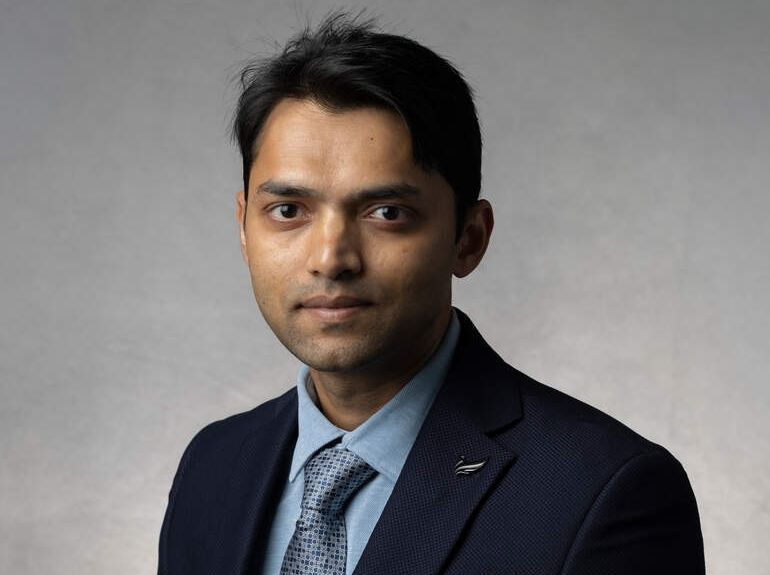
Amir Hussain is a researcher and educator in the field of power electronics and energy systems. His work focuses on power converters, renewable energy integration, microgrids, and control of modern power systems. At the University of St. Thomas, his work focuses on advancing intelligent and reliable control of microgrids and other emerging energy systems.
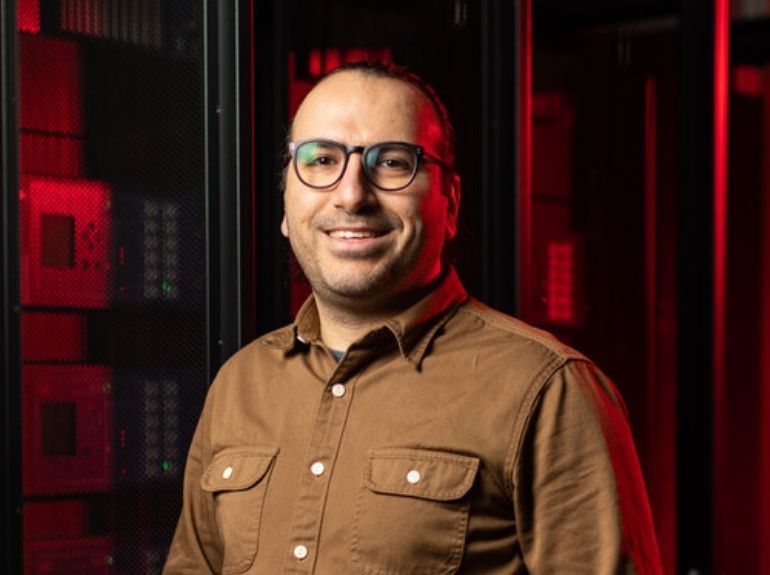
Dr. Mahmoud Kabalan is an associate professor and director of the St. Thomas Center for Microgrid Research (CMR). Mahmoud is passionate about using renewable energy sources as a means for a sustainable and just future. His interests and expertise include: microgrids/smart grids, electric power systems, renewable energy sources, power electronics, service learning in engineering, engineering education and international development.
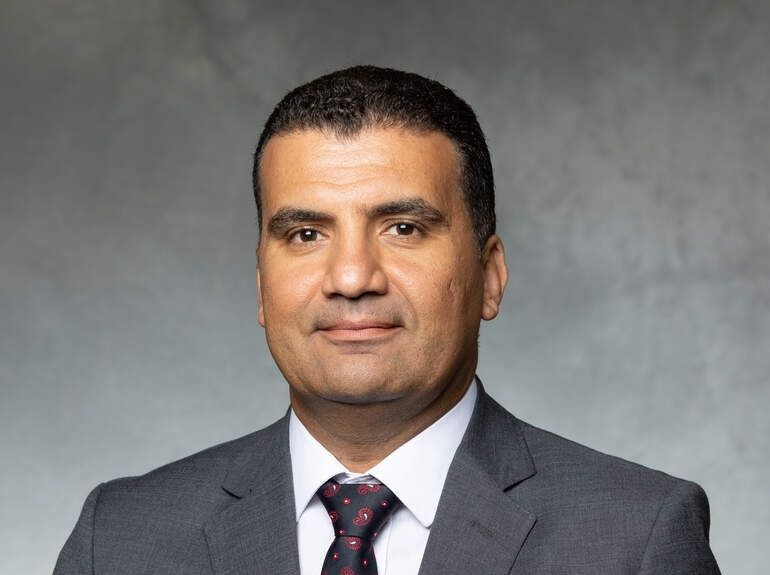
Dr. Mohamed Moustafa is a Clinical Professor in the Electrical and Computer Engineering Department at the University of St. Thomas, where he also serves as the Assistant Director of the Center for Microgrid Research (CMR). Dr. Moustafa’s research focuses on supporting the global transition to carbon-free electricity, particularly through microgrid technologies. His work includes the development of advanced control systems, the enhancement of grid stability and resilience, and the integration of renewable energy sources such as solar and wind into modern power systems. At the CMR, he plays a critical role in leading research that bridges scientific innovation with the practical needs of the energy industry, particularly in areas like grid modernization and energy resilience.