Sponsored by:
National Aeronautics and Space Administration
You can also choose to use TommieBot, an AI search assistant developed by St. Thomas School of Engineering students and faculty.
Take me to TommieBotProject Background and Design Goal
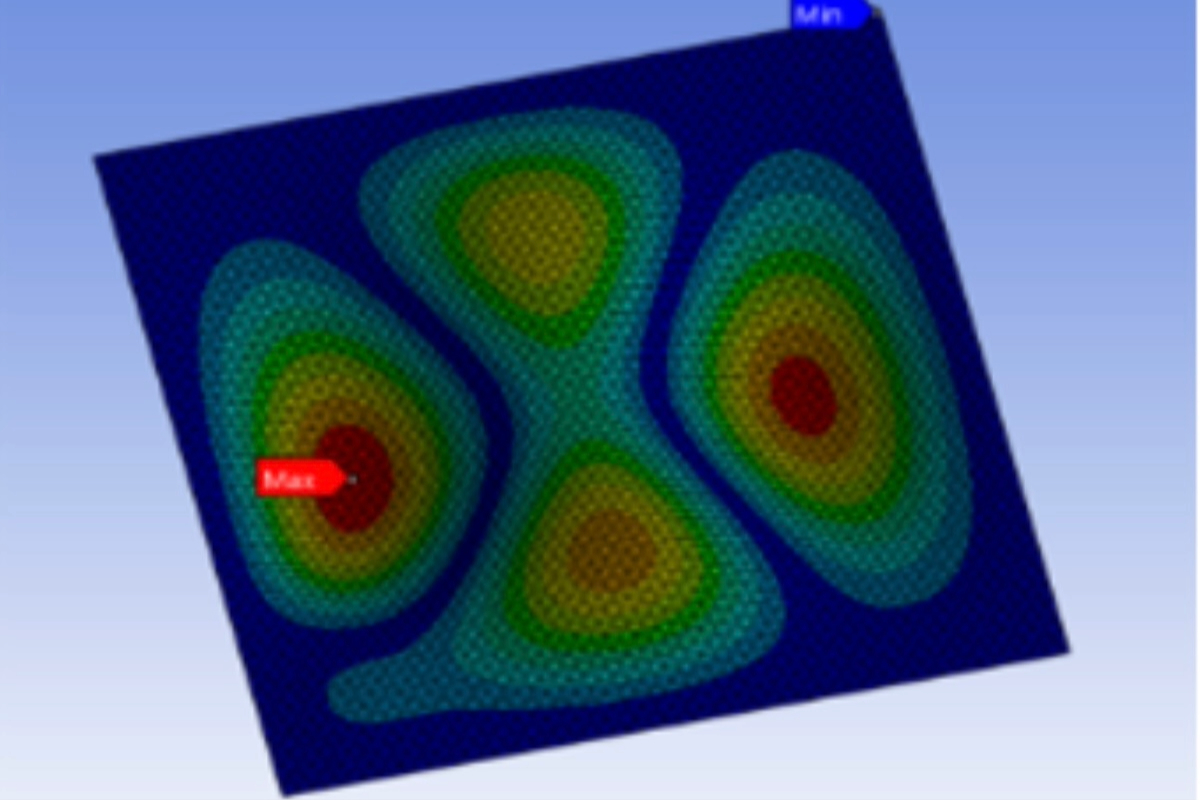
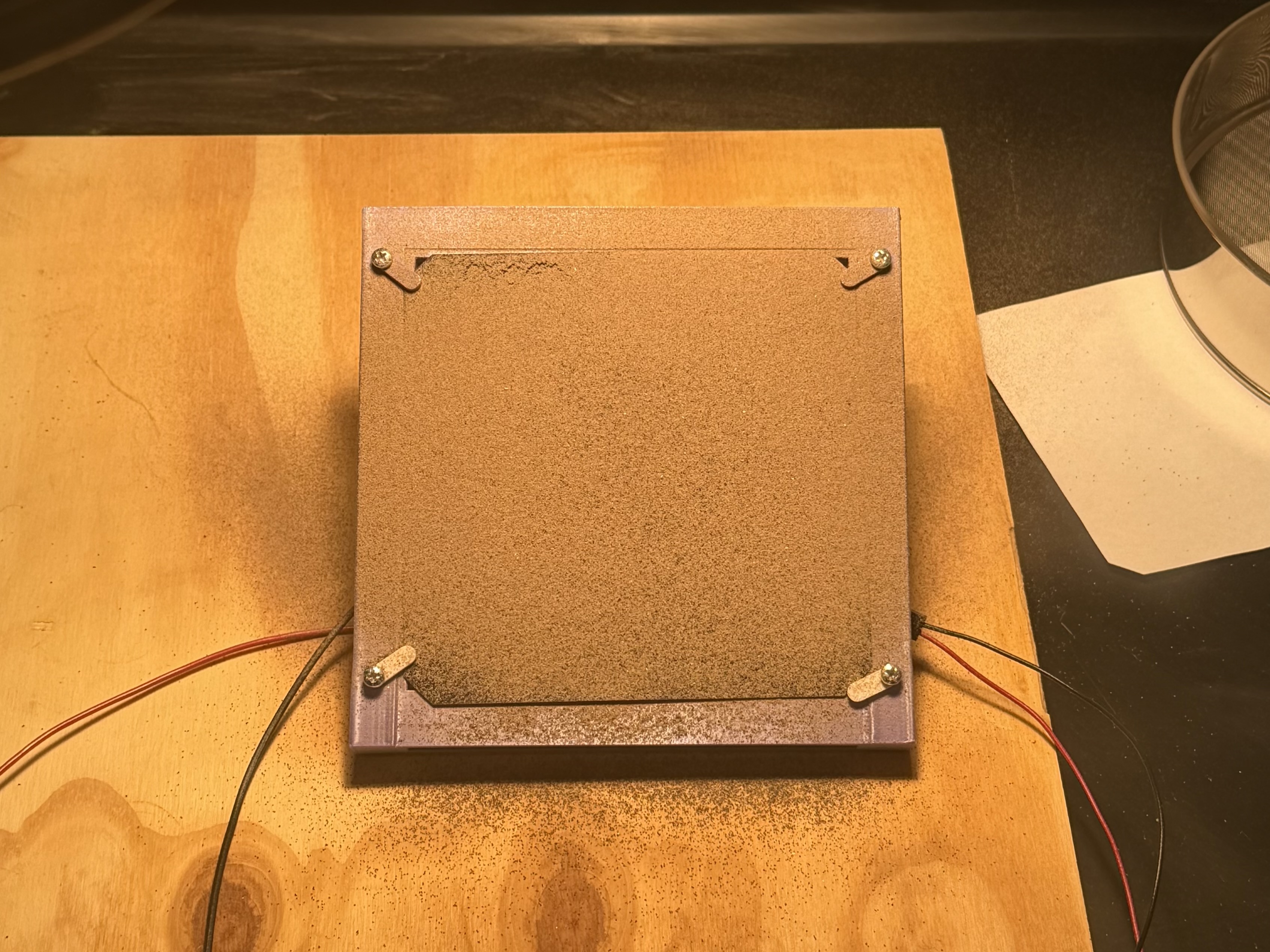
Solar arrays are expected to power human activities on Mars, but dust accumulation significantly reduces power generation. The goal of this project is to investigate the use of piezoelectric actuators to remove dust by inducing vibrations on solar cells.
Design Outcomes
Design Constraints
Download the project summary (PDF file).
Sponsored by:
National Aeronautics and Space Administration
Student Team:
Industry Representative: Meghan Bush and Jeremiah McNatt
Faculty Advisor: Jason Petaja
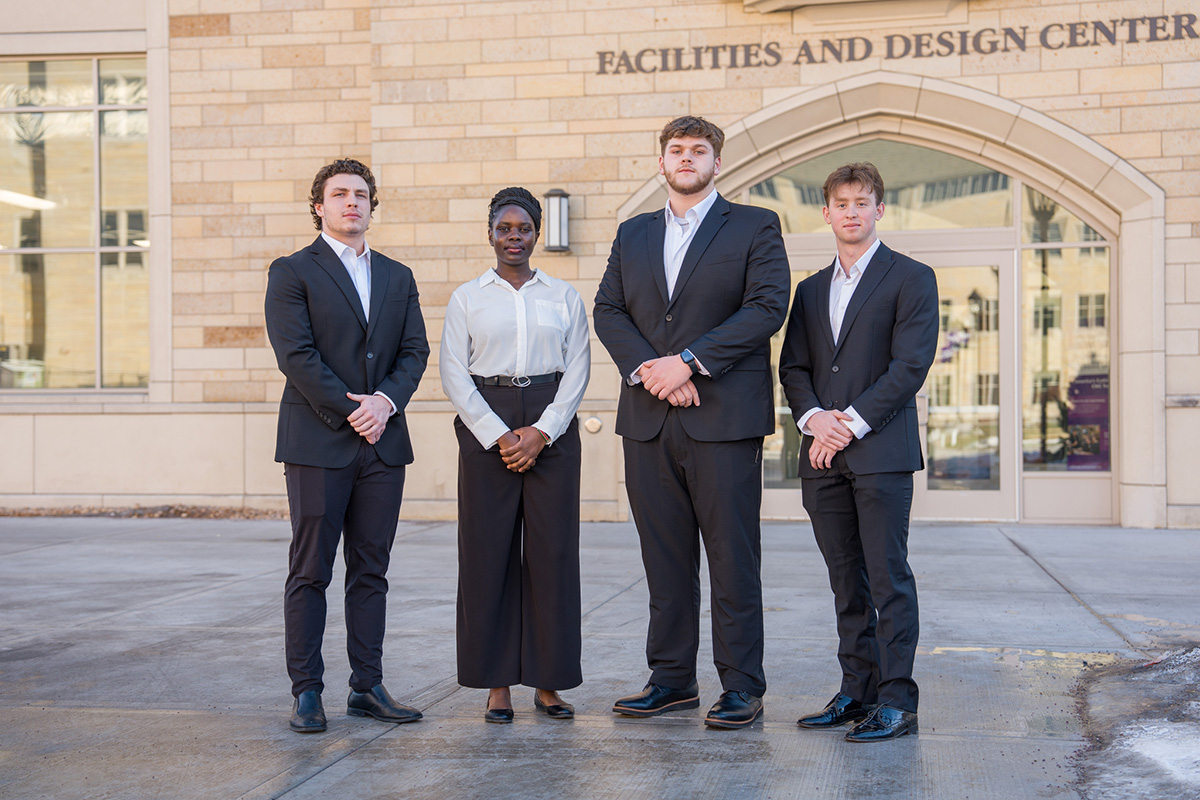
Pictured left to right: Ryan Bercich, Juliah Moriango, James Morrison, and Philip Jensen