Sponsored by: Auris AI

You can also choose to use TommieBot, an AI search assistant developed by St. Thomas School of Engineering students and faculty.
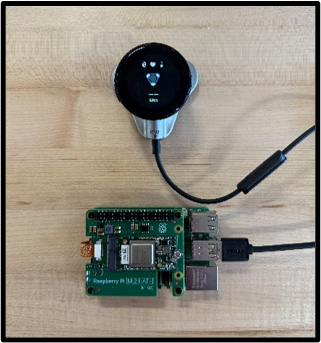
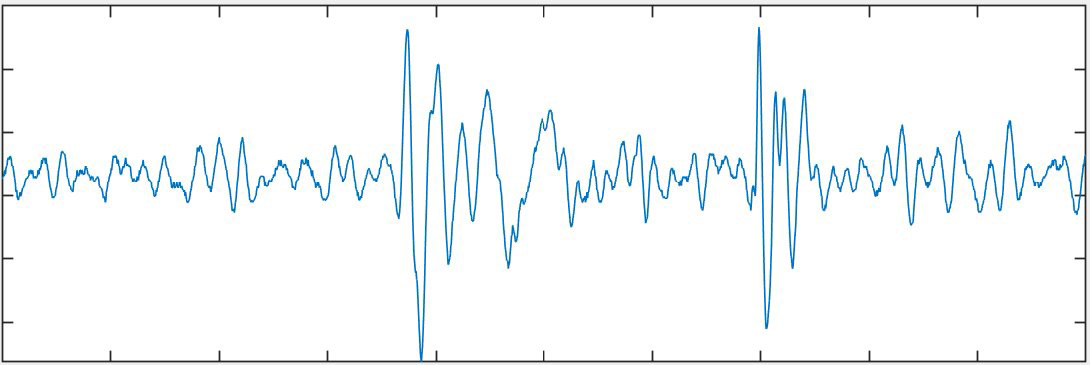
Take me to TommieBotAs cardiovascular disease (CVD) is a leading cause of death in the United States, medical technology can help physicians more efficiently and accurately diagnose and treat patients. Our design aims to continue the work of previous senior design teams in creating a digital stethoscope that provides precise heartbeat data to effectively and inexpensively detect heartbeat irregularities. Our team engineered a machine learning pipeline by implementing machine learning models onto an accelerator chip to perform inference and detection.
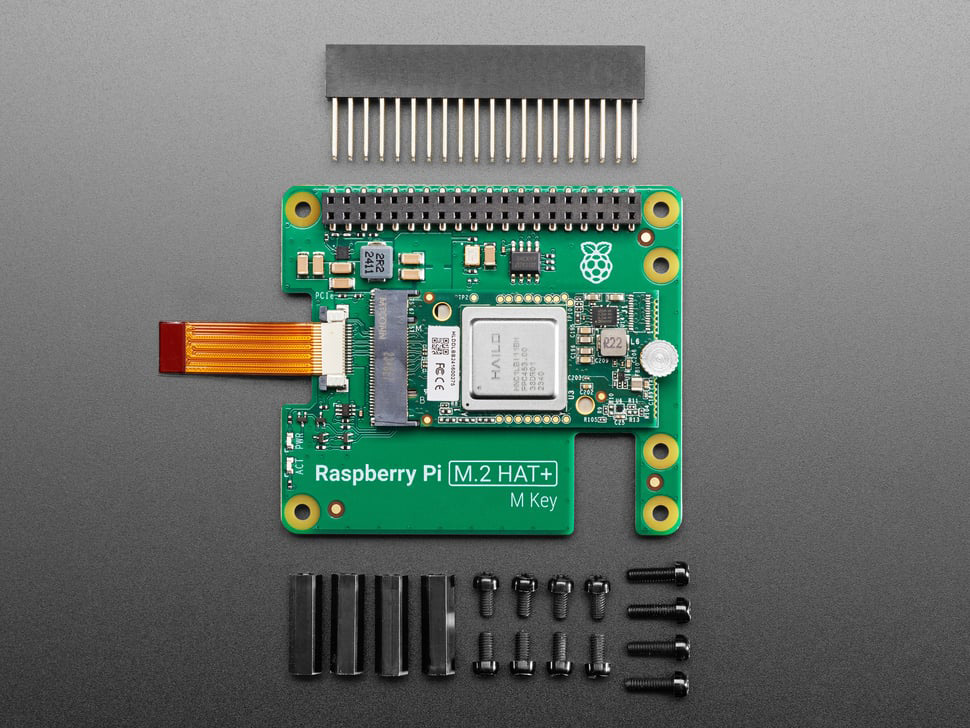
Our team has researched and chosen an AI chip capable of inferencing electrocardiogram (EKG) and phonocardiogram (PCG) signals in real time and developed the process to easily load, manage, and test machine learning models onto the chip. Our design uses a Raspberry Pi 5 with a Hailo 8L AI accelerator chip to import and run inferencing on the data from a digital stethoscope on the machine learning models. The system will indicate whether a heartbeat is normal or abnormal, along with the confidence of that indication.
Download the project summary (PDF file).
Sponsored by: Auris AI
Student Team:
Industry Representative: Ebenezer Dadson and John Wallace
Faculty Advisor: Bob Mahmoodi
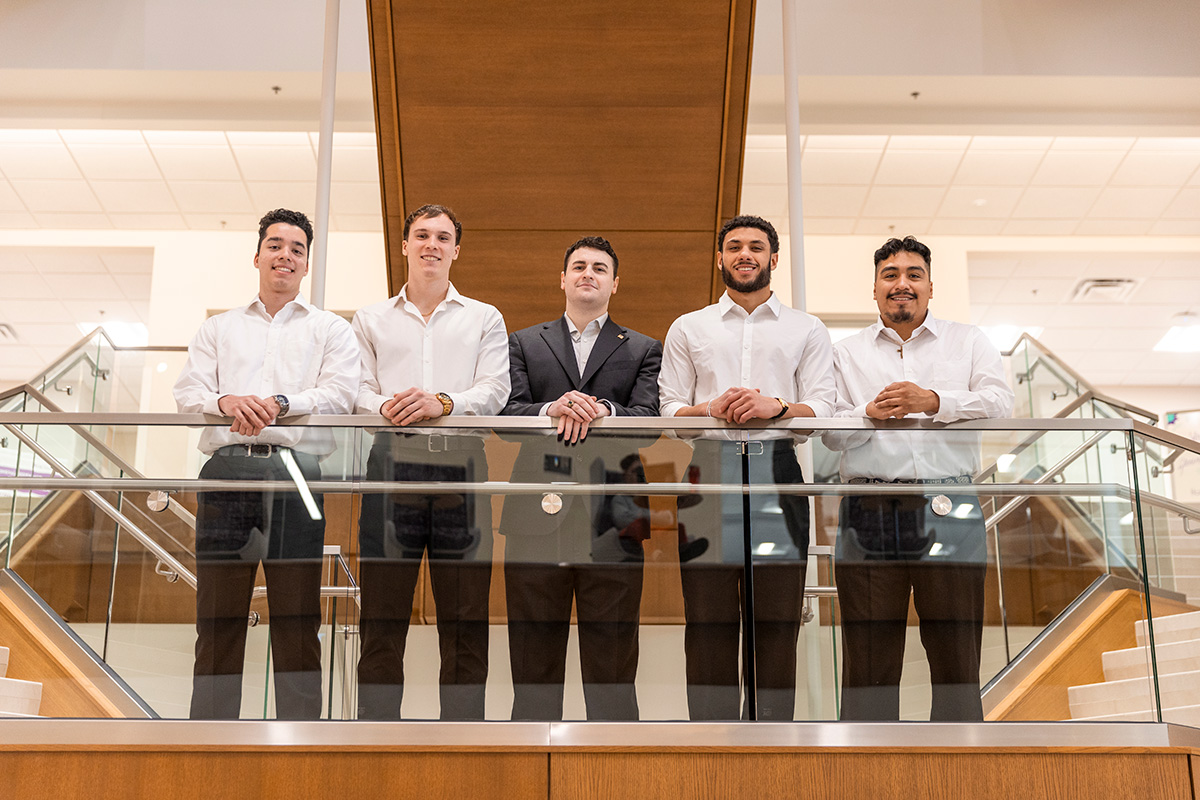
Pictured left to right: Andres Jimenez, Jack Rosner, Tyler Angelson, Amer Phuly, Andres Morales.