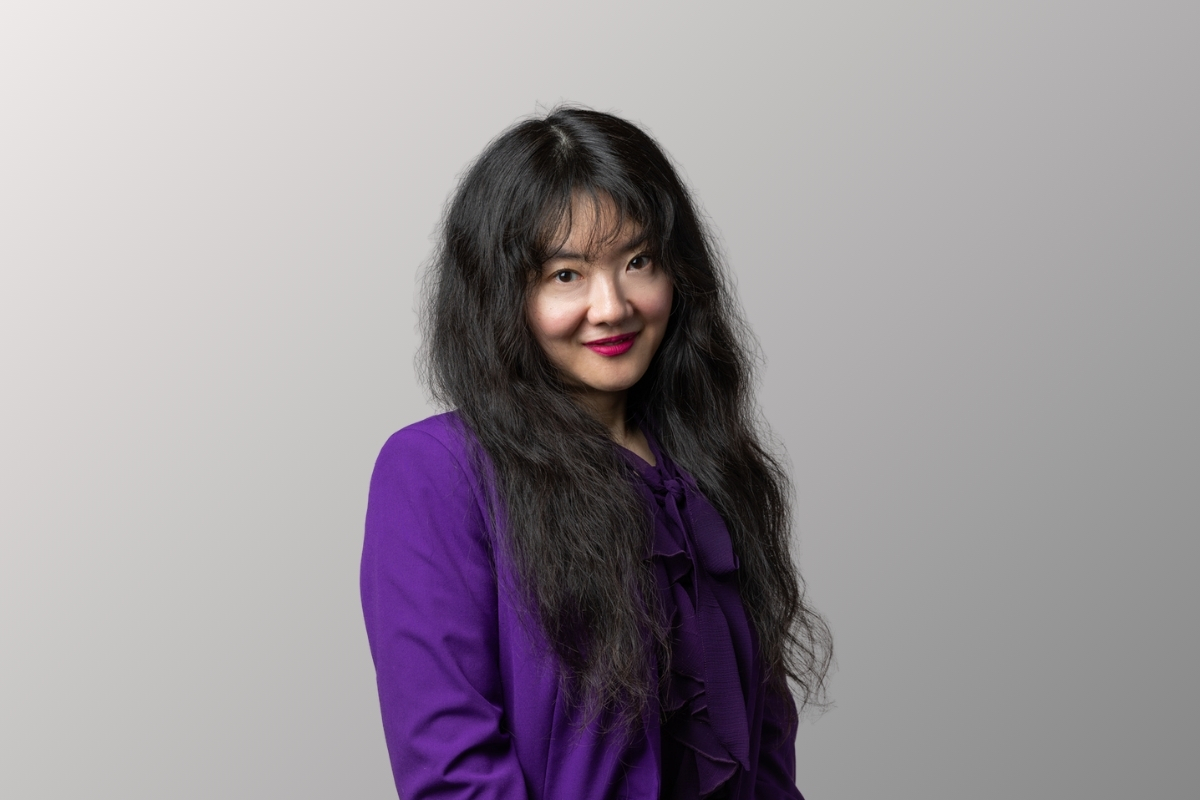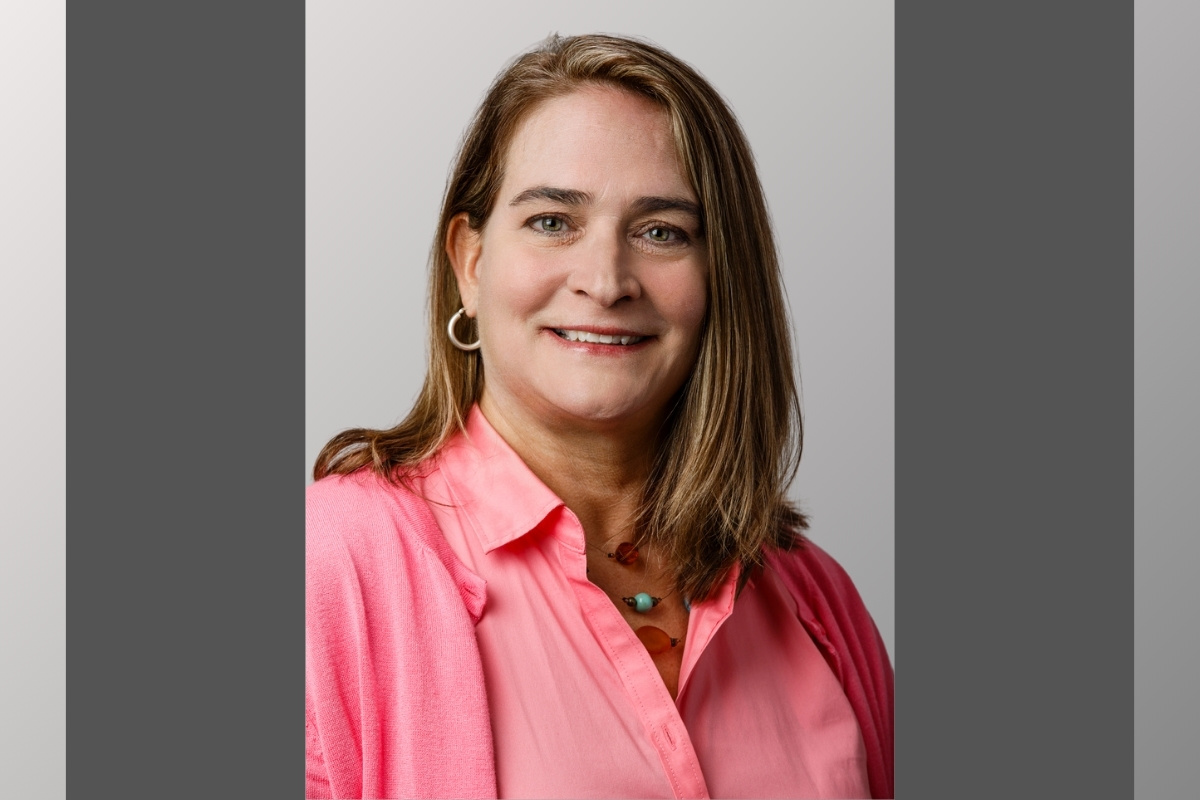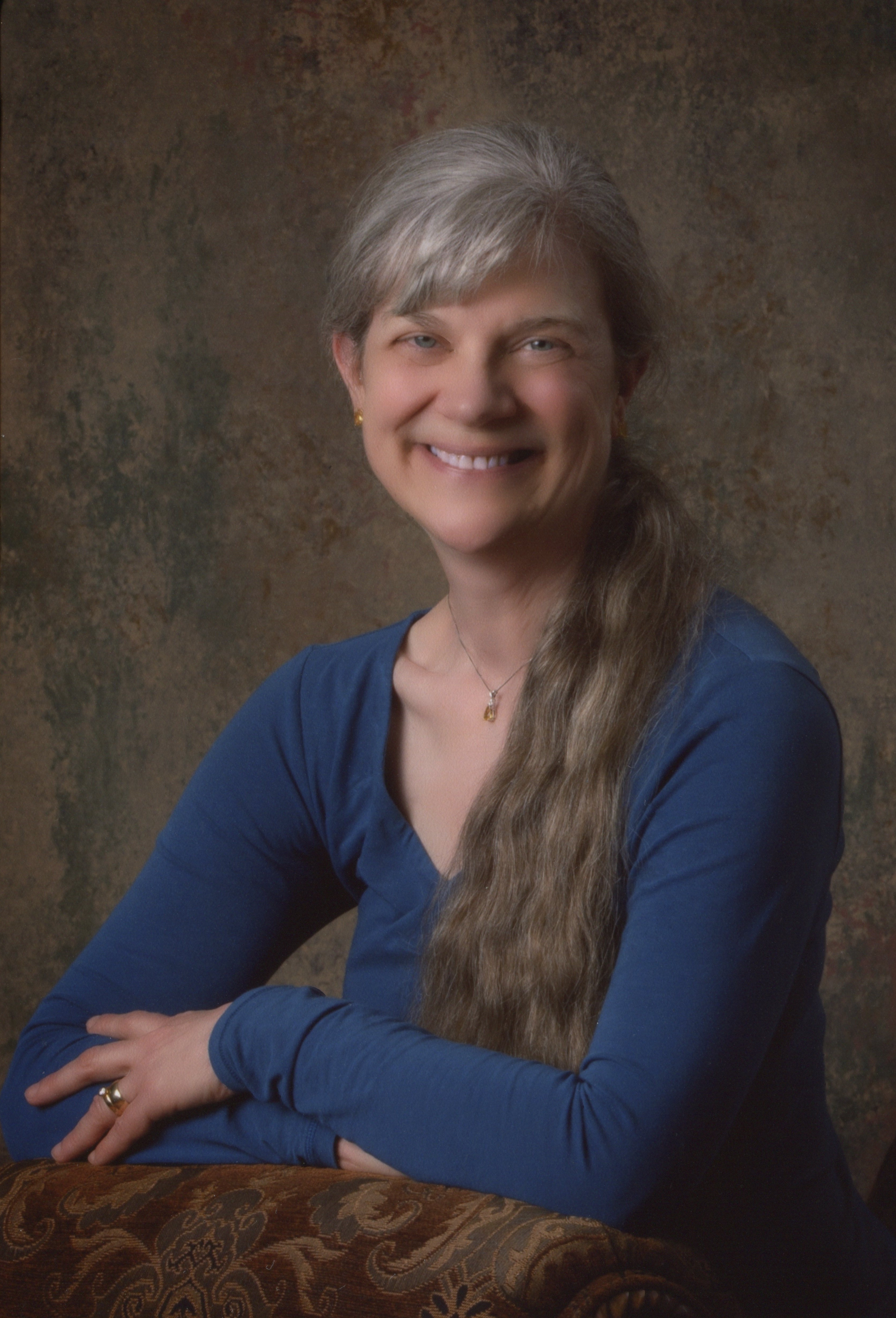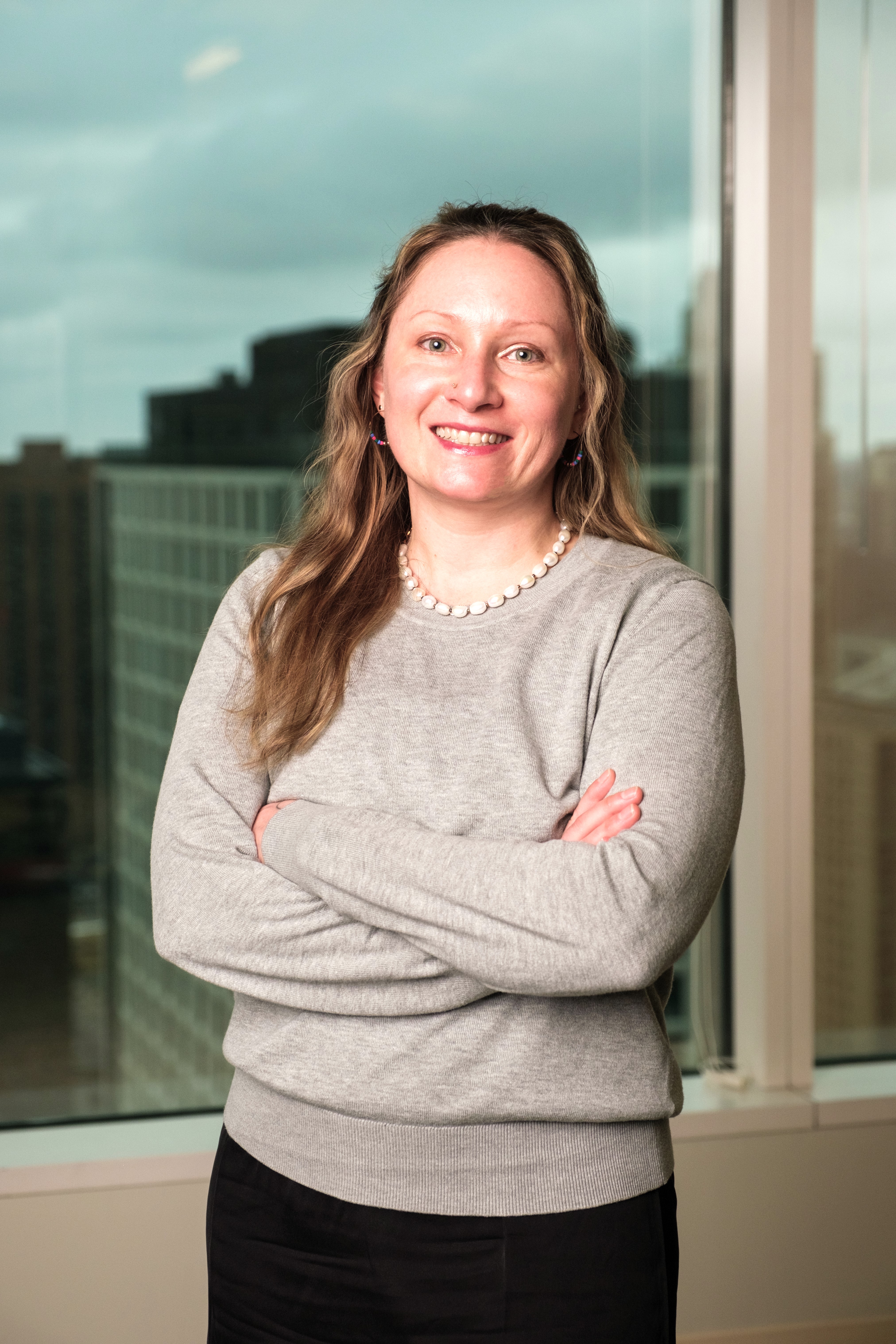
• Home
  • News and Events

You can also choose to use TommieBot, an AI search assistant developed by St. Thomas School of Engineering students and faculty.

Take me to TommieBot
Favorites ()
Apply
School of Engineering Women Faculty

The School of Engineering

Women in Engineering

Featuring our accomplished faculty, students, alumni, and notable figures.

The School of Engineering is home to a large group of accomplished women. During the beginning months of 2026, we gathered the stories of some of our faculty, students, alumni and other notable women. We are proud of these women for their contributions to research, academia, the School of Engineering, the St. Thomas community, and for consistently working toward The Common Good.

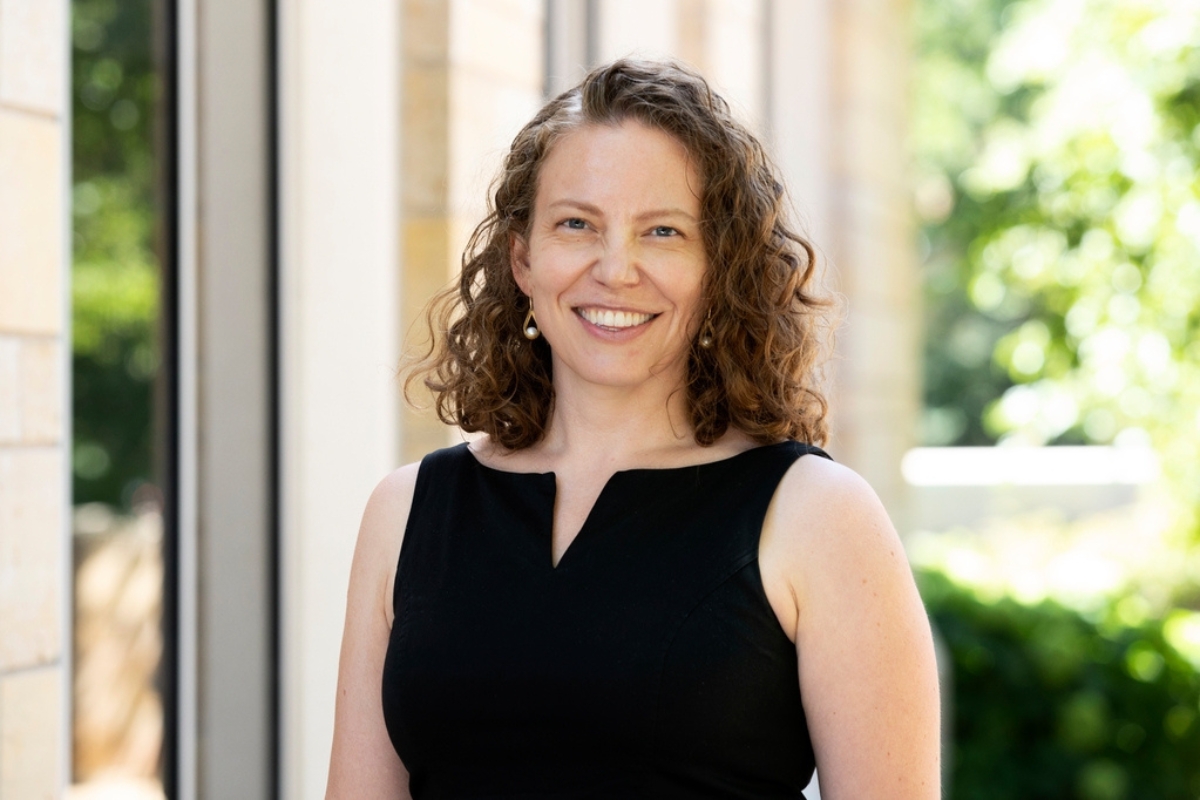
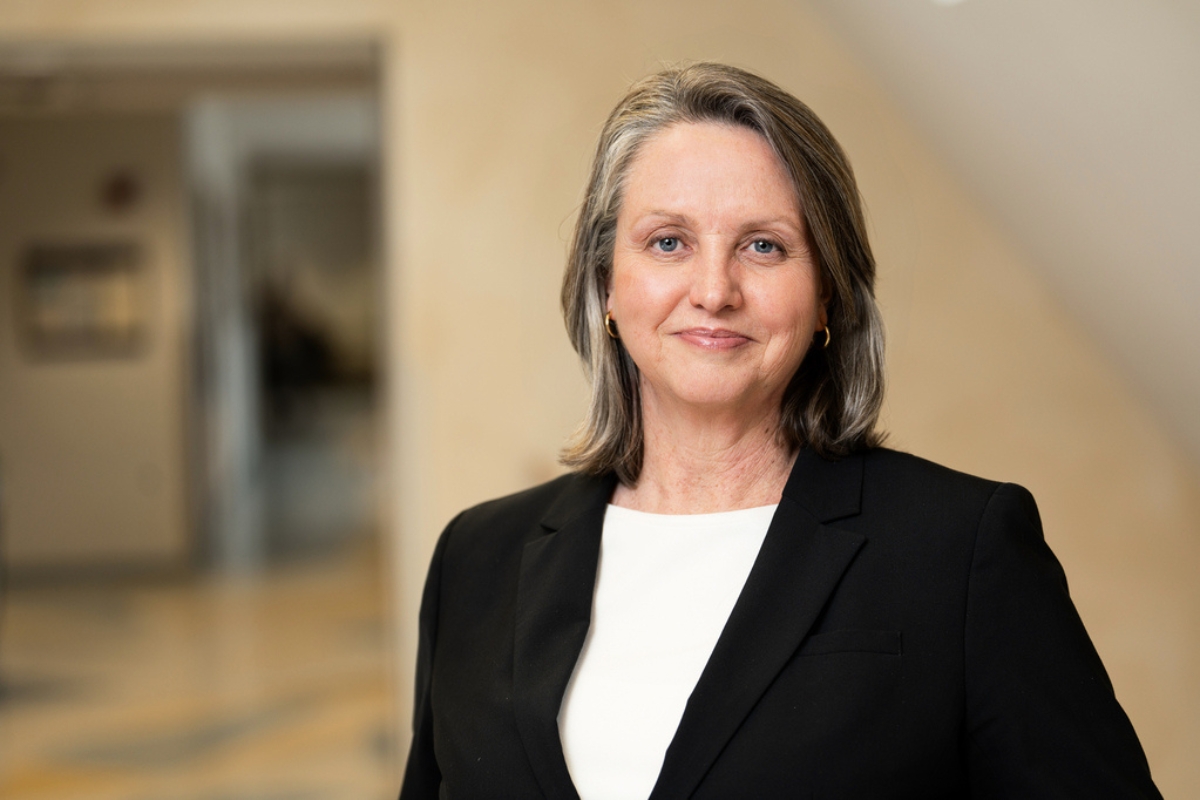
In conversation with Dr. Besser

Having gained professional engineering experience and a background as a faculty member at leading universities, I was drawn to the St. Thomas liberal arts engineering program to contribute to shaping future engineers through a rigorous, ethically grounded, liberal arts-based education.

My professional journey has underscored the importance of working with faculty who prioritize excellence in teaching and are dedicated to cultivating a unique type of engineer—one who is not only a skilled problem solver but also empowered to make meaningful contributions, adept at embracing future changes and challenges.


Each day I have the privilege of helping shape academic programs, student success, collaborate with mission driven faculty and staff, and the chance to contribute to our college growth and innovation. My day to day agenda involves a balance of operational management, strategic leadership, and engagement with students, faculty, staff and external partners.


Growing up in the Chicago area in the 1970’s amongst the stunning architecture, world-record buildings, bascule bridges, churches built by old world craftsman, along with my interests which span science to art, I was driven to seek out civil structural engineering.

During my undergraduate program, I sought out ASCE leadership, lab work, internships, and I started a steel bridge competition team. These experiences led to an advanced degree in civil structural engineering and then on to a structural engineering position focused on bridges. This just happened to be in California and coincided with seismic activity including structural failures, which in turn accelerated significant research, code changes and rapid changes in design practices. These early professional experiences demonstrated that the most important higher education lesson is the ability to learn.


I enjoy time with my family, especially when we are outside hiking, swimming, running, kayaking, Nordic skiing, biking and camping. Indoors, I enjoy reading, playing board games with my family, sewing, crocheting, drawing, trying new hobbies and planning travel.


A good engineer is technically skilled, knowledgeable, persistent and seeks innovative solutions. A great engineer skillfully balances leadership with collaboration, seeks to skillfully communicate, holistically considers greater contexts, including human, economic, ethical, historical, cultural contexts and develops solutions with thoughtful, empathetic insight.

My own journey has taught me that my education and experience is a gift; and pioneers including Lillian Gilbreth and Emily Roebling laid the groundwork for opportunities. I believe these gifts carry a responsibility: to pass them forward, recognizing that to whom much is given, much is required.
A good engineer is technically skilled, knowledgeable, persistent and seeks innovative solutions. A great engineer skillfully balances leadership with collaboration, seeks to skillfully communicate, holistically considers greater contexts, including human, economic, ethical, historical, cultural contexts and develops solutions with thoughtful, empathetic insight.

Dr. Deborah Besser, Associate Dean

In Conversation with Dr. Katherine Acton

I am the Chair of the Mechanical Engineering department and I typically teach ENGR 221: Mechanics of Materials. I also manage the Alternative Pathways to Excellence (APEX) Scholarship Program.


I really enjoyed math, but wanted to move into more applied topics for my PhD, so I studied Engineering. My area of expertise the mathy-side of Engineering, focusing on computer modeling of complex material microstructures, bringing small scale material characterization to larger scale models. 


My favorite thing is my children, and they take up a lot of my free time.  I have a son, 9, and a daughter, 7. I just got back from teaching a study abroad in Rome in January 2026, so travel and new experiences are high on my list, plus gelato.


Put your insecurities in a box and only open it once in a while, with curiosity. Understand that you are capable of doing great things!


In Conversation with Dr. Brittany Nelson-Cheeseman

I teach undergraduate and graduate-level courses within the mechanical engineering department, particularly related to materials science and engineering (MSE). I advise research students on materials-related research projects and advise students who are pursuing the MSE Minor.

Through my international faculty liaison position, I coordinate between UST staff and faculty to foster a more welcoming environment for our international students on campus. Some of this is logistical, while a lot of it involves facilitating intercultural workshops and learning opportunities for students, faculty and staff.


Summer research experiences during undergrad got me interested in pursuing nano-scale materials in graduate school and beyond. Being a camp counselor for many summers planted the seed for mentoring and teaching as a professor. It also gave me an appreciation for experiential learning through facilitation.

International experiences throughout my life have fostered an appreciation and curiosity about intercultural differences. Since I have seen so much value in learning about these for my own day-to-day interactions, I spend a lot of time trying to help others learn about these as well.


International travel with my young family—we just got back from the Galapagos in Ecuador.

Outdoors activities with family, such as hiking, camping, backpacking, canoeing, kayaking, etc.


Find ways to integrate your interests and passions into your career trajectory.


In Conversation with Dr. Tiffany Ling

I teach ENGR 100 Intro to Engineering Design and ENGR 480/481 Engineering Design Clinic. I also recruit all of the real-world Engineering Design Clinic projects from industry and other organization. I coordinate with other faculty to plan curriculum and other matters for the Mechanical Engineering department. I am the faculty advisor for the SWE student club (Society of Women in Engineering. I am also the operations director for the CNC training opportunities we have for non-UST students. Finally, I am the graduate program director for the Master’s in Manufacturing Engineering program.


In college, I interned at Andersen Corp., working on window design and manufacturing improvements. That was my first peek at the exciting world of manufacturing. My PhD research at Northwestern was also aligned with manufacturing and allowed me to collaborate with manufacturing engineers at Ford and Boeing, which made my work very rewarding. Finally, I worked at Honeywell Aerospace as a process engineer for several years after completing my PhD.

I learned so much about the fast-paced nature of manufacturing and loved tackling projects to improve part quality and throughput all while prioritizing safety and job satisfaction of assembly technicians. I came to appreciate that manufacturing is as much about people as it is about technology!


I love spending time traveling with my husband and 3 kids, especially if hiking and beautiful landscapes are involved. I also love rock climbing and playing ultimate frisbee in my free time.


Engineering is a very collaborative field, and it’s important to actively seek technical responsibility. Volunteer for the hard parts of projects, ask questions, and be willing to make mistakes—those experiences are what build real expertise and confidence!


In Conversation with Dr. Heather Orser

As a faculty member, my work falls into three main areas: teaching, research, and service. In teaching, I focus on helping students not only learn the material but also develop a genuine understanding and appreciation of the topics we explore.

My research involves collaborating with students at the University of St. Thomas and with faculty at other institutions to turn new ideas in neuromodulation into practical applications and to share those results through publications.

Service work supports the day-to-day functioning of the university and includes collaborating with fellow faculty on activities such as reviewing undergraduate research grant proposals and ensuring they are evaluated efficiently so that awards can be made on time.


I love math and science and building things. When I looked at what careers melded these three areas, I found engineering as a great fit. Engineering has been an awesome area to work, and I have been fortunate to create a number of different products in my career including deep brain stimulators and treatments for sleep apnea. This really makes the work meaningful and satisfying.


I have so many things I love to do that it’s hard to pick just a few. At the top of the list is probably traveling to new places and eating new foods. My family gives me grief for having the next vacation planned before we’ve taken the current one, but the thrill of discovery is something I can’t get enough of.

In addition to this, I love getting students excited about engineering, so I coach high school robotics at St Paul Central where we build a 120 lb. robot and compete against other schools in the FIRST Robotics Competition.


Don’t be afraid to try something new or difficult. If you don’t succeed the first time, you’ve learned what doesn’t work and you can do better next time. Engineering is about trying to do something new and different. If you haven’t failed occasionally, you aren’t trying to do something that is hard enough. Challenge yourself and enjoy the learning process.

In Conversation with Dr. Rita Lederle

I teach classes mostly related to materials and structural engineering. I also do research on concrete for infrastructure applications. I'm the faculty advisor for our civil engineering club Tommie Civil, and for the concrete canoe team.

I also help bring industry events to St. Thomas, like the Minnesota Concrete Conference and the American Concrete Institute's Concrete Bowling Ball Competition. 


I always knew I wanted to be a civil engineer because I grew up surrounded by them. Both of my parents are structural engineers and most of my mom's siblings, including three of my aunts, are civil engineers. It never really occurred to me to be anything else. I like that the projects we work on are big, messy, and make society function. 

My specific area of expertise is concrete. I joined the Concrete Canoe team as an undergrad because it sounded fun to do something so ridiculous - my mom did it in college too, so I had heard about it. I learned so much about concrete and just kept getting more interested in it. It also got me involved with the Minnesota Concrete Council, where I connected with other people who work with concrete and I learned even more about how fascinating it is. I'm now a past board member and current co-chair of their Education Committee.

People don't realize how dedicated, educated, and technologically oriented the concrete community is here compared to other places. I ended up doing my master's and PhD on concrete related topics and now it's the focus of my research 


I live in a 102 year old house that is in a constant state of remodeling. I'm in a book club and I like to cook, especially with my three kids (ages 9, 5, and 2). My favorite foods are any kind of dumpling (every culture has at least one and they are all good) and chocolate. I like to make things most people would buy, like homemade marshmallows. 


Find your professional community. Networking is really important - professional societies are basically made for that, so start attending meetings as a student. Everyone will be super nice because they're so excited to have a student there and by the time you graduate, you'll have a full network of professionals you can use as resources. 


In Conversation with Dr. Lauren Patrin

My main responsibility is the Machine Design Lab. I also support the Rapid Prototyping team, Senior Design, and teach Intro to Engineering, Graphics, and Mechanics of Materials. I love helping students find their career as well as explore what jobs are out there. Let’s chat!


Primarily, snowmobiling and cars. I wanted to repair them. As I investigated careers, engineering seemed like the better path for growth, along with a nudge from my grandmother.


I love spending time with my amazing son and husband. I love hobbies! Current favorites are calisthenics, mountain biking, golf, painting, reading, food, learning new things or anything active.


Engineering is hard but it’s hard for everyone – stay consistent and work for it. Seek mentors, actively participate in activities and events where you don’t know how to do something. Ask questions and don’t be afraid to ask. Build your network and keep it alive!  


In Conversation with Dr. Jenny Holte

I teach engineering courses, I manage two scholarship programs, and I serve as the School of Engineering’s Transfer Coordinator. I am also working with colleagues on an NSF program called APEX (Alternate Pathways to Excellence) that also supports transfer students. I love my job! We do lots of programming for transfer students aimed at creating community and understanding resources, career paths, etc. It’s been a privilege to get to know our engineering transfer students outside of class.


As an undergraduate student (back in the dark ages) I really loved computing and visualization of linkage mechanisms, so that was my field of study in graduate school. The things I was doing are pretty rudimentary by today’s standards.

At this point in my career, I am more focused on teaching foundational topics (statics, mechanics, dynamics) and finding ways to help my students connect with the content and develop as future professionals.

One class I had fun developing was a 2-credit Dynamics course for Civil Engineers. Civil Engineers primarily build structures that do not move, but those structures are constantly in contact with moving things. My challenge was to convince sometimes skeptical students of the importance of dynamic concepts in their field. The task stretched me as a person and I liked that. I invited my students to incorporate art, music, animations, etc. into their term projects, and the results were amazing!  (Poems about roundabouts, paintings of water barriers, and even a “wrecking ball rap”.)


Uh Oh, my list is long:

  • I cook. Chopping veggies is my favorite way to unwind at the end of the day.
  • I write. I am writing a middle grade novel about a lost puppy and intergenerational friendship.
  • I sing. I sing at home, at church, after dinner with friends. If you come to a Christmas party at my house, you may be handed a song sheet.
  • I bike. I can’t walk very far, but I can ride a bicycle. I bike for exercise. I bike to see the world.

Yes! Do what you love and care about.  I chose a very non-traditional path. I focused on what was important to me, and I have no regrets.  Great advice from one of my mentors: “Know what you want and ask for it.” Sometimes the path you want is not there. Forge your own.

Be confident!  No one is an expert the first time they do something.  It’s okay to not know, to need help, or to mess up.  Men do lots of things that they are not expert at, while women tend to worry more whether they are qualified.  Just do it and remember everyone is learning.  


In Conversation with Dr. Chong Xu

I teach and design both lecture and lab courses in Control Systems and Automation, as well as Introduction to Electronics. I advise and mentor Senior Design teams, conduct research with students across a range of projects, and serve as an academic advisor to undergraduate students.

Beyond teaching technical content, I strive to cultivate analytical thinking, curiosity, and confidence in my students as they prepare for careers in engineering.


From an early age, I was naturally drawn to mathematics, logic, and patterns. In high school, my favorite subjects were physics and coding, and I was especially fascinated by the rapid development of electrical engineering, particularly wireless communication. I chose to pursue communication engineering, a decision that reflected both societal needs and my personal interests.

I later pursued my master’s and Ph.D. degrees at the University of Southampton under Prof. Lajos Hanzo, where I researched multi-user detection algorithms for next-generation wireless communication systems.

My postdoctoral research at NIST, along with my current work in electronics, control systems, robotics, and modeling, all build upon that foundation. Over time, my passion for highly logical systems has only grown stronger. I see beauty in how complex systems are intricately woven together according to precise principles and patterns. Understanding every detail of such systems, organizing them clearly in my mind, uncovering deep connections between philosophy and mathematics across disciplines, and explaining profound theories in an intuitive way bring me deep satisfaction.

If my teaching and research can contribute—even in a small way—to advancing technology, benefiting society, and changing the world, I feel truly grateful.


Although I am deeply drawn to rational systems and structured thinking, I am equally sensitive, expressive, and reflective in my personal life. I sometimes accumulate intense emotional “potential energy” 😊 and release it through writing poetry, playing music, reading, learning new things, and spending time in meaningful conversations with friends.

I also enjoy long-distance running, swimming, and skiing—though I must admit I am not talented at ball games!

One of my favorite creative outlets is writing classical Chinese poetry. Its strict structural rules—governing character count, tonal patterns, rhythm, and linguistic form—must be followed precisely, yet within those constraints one can express emotion, ambition, and imagination in profoundly creative ways—like dancing in fetters.

In many ways, this balance reflects who I am: a combination of disciplined structure and bold emotion.

Do not let stereotypes or other people’s expectations define what a woman should look like. You have the freedom and power to shape your own path. In doing so, your very existence expands what is possible for others and quietly changes the world around you.

Do not set artificial limits or ceilings. A woman can be a mother, partner, friend, engineer, and leader—all at the same time. Setting ambitious goals and continuing forward despite setbacks is the only way to move closer to achieving them.

Growing up, I frequently heard comments such as:

“Girls aren’t good at STEM.”
“Girls shouldn’t choose engineering.”

“Girls cannot do R&D.”

“Girls shouldn’t move far away from home.”
“Girls shouldn’t pursue a Ph.D.”
“Girls shouldn’t be too outspoken.”

I have done all of those things—and I am still here, living a happy life with a loving husband, two wonderful children, and supportive, close friends who feel like family, while continuing to grow and strive.

I hope every young woman has the courage to design a life that is truly her own.


In Conversation with Dr. Genevieve Gagnon

I Was on the AFC (Adjunct faculty committee) for 2 full terms (max possible) on the compensation and benefits committee as Chair. I co- manage the returning students' scholarships with Dr. Holte currently, which awards more than 100 students every Spring with extra money. I manage the COOPs, which were with 4 credits in the past as an elective course, where I visited the companies before students started their work to meet their supervisor and graded their 30 pages paper and was present to evaluate their presentation. COOPs now have no credits so have changed their formats a lot. They no longer require a report or presentation but allow students to work full time a semester and still be enrolled at St Thomas without taking any classes.

I advise students up to 45 at one point more like 30 now.

I am a Fellow 3M Chair recipient (full time 12-month senior adjunct) and have been at St Thomas for 15 years. I have 9 labs and a lecture at one point in one semester, this semester I have 6 labs and a lecture ENGR361 4 lab sections, 1 lecture ENGR123 and 2 labs.

I have taught mechanics of materials ENGR221 lectures and labs, Statics ENGR220 4 sections of labs when we had them (no more labs in statics and we have a zero-credit mandatory shop course with Charlie) and I would teach wood shop and sheet metal in those labs then 😃.

I now teach engineering materials 4 lab sections ENGR361 every semester, a biomaterials lab every other spring semester ENGR314 and teach a grad course in materials engineering ENGR771 every other Fall. I also teach every Spring semester Energy and the Environment ENGR123 lecture and 2 labs, a core tech elective course. I also support all teams in the senior design projects if they have materials questions or the teams that need help with tensile testing, other materials testing and for the scanning electron microscopy to take pictures and analyze their materials. I also attend all faculty meetings.


I was very curious about the world and mechanisms as a young girl and grew up with parents that supported all my interests whether it was dolls, trucks or hockey stick. Yes, I played hockey, I am Canadian. I played many sports like soccer and volleyball, was on the swim team and was very curious about how things work. I used to take apart all my toys to see how they were made and to see all the different parts and the materials they were made of. I loved ecology, science, math, the arts and music as well, so it was hard to choose a field. I loved nature and the environment and thought that if I worked in engineering, I could make choices in technology, be an inventor and develop products or systems that would protect our planet even though sustainability was not a word that had appeared yet then.

My choice of materials engineering was because it was the most broad and complete engineering of all engineering as it includes mechanics, physics, and chemistry to understand more in depth how things work. I also became a microscopist specialist in my engineering degree using scanning and transmission electron microscopes in my university in Montreal where I completed my bachelor’s and master’s degrees. I worked on metal matrix composite materials in my PhD in Switzerland.


Family is very important to me. I am the youngest of 7 children, 4 men, 3 woman and have spent the first few years of my only son’s life as a stay-at-home mom to raise my son in French and English here in Minneapolis. I read a lot about child psychology and development then and worked at building activities for him and the kids around us, making sure he was exposed to all the camps and programs that the city offered as he grew up before school age. I went back to work when he entered kindergarten.

I love animals, nature, hiking, skiing, art. music and gardening. I also love photography and I am a foody, so I love to explore the twin cities for all good restaurants, concert venues and activities.


I believe there are no limit to dreaming big as a woman in engineering. You can do it all. Now a days it is much easier to have a career and a family at the same time. Just get settled in your work first and pick a company that matches your values so they will support you.


Anita Hall Frost

Headshot of Anita Hall FrostAnita Hall Frost, Chair of the External Engineering Advisory Board 


Anita graduated from the University of Minnesota College of Science and Engineering with a degree in Agricultural Engineering, what would now be called a degree in Biosystems and Bioproducts Engineering with a Food Engineering major emphasis. She worked with General Mills for 40 years, working as both a food and civil engineer. 

My sister married an engineer, and he's the one who talked me into being an engineer. I don't know if he knew at the time that I would enjoy it as much as I did. But he saw something, and I went for it. I actually started out in mechanical engineering.

I had my first job on campus working for the man who was the department chair of the food engineering department. He encouraged me to transfer over to Ag engineering, and so I did.

After graduating, I began working at General Mills as a food engineer. I did not think I would end up staying there too long, and then 40 years later, I retired from General Mills. Looking back, every project I worked on is a standout. They were all fun! It is cool to walk through the grocery store and see food items that I have worked on. I also worked for General Mills as a Civil Engineer, building plants, buildings, and doing construction management. That's what's the most amazing thing about engineering education is the number of things that you can do as an engineer. 


In 1996, I took graduate engineering courses from Dr. Ron Bennett in manufacturing engineering. As Ron was building up the School of Engineering, he was forming the External Engineering Advisory Board (EAB) and asked if I would join. We would meet at the Highland Grill along with Rebecca Schatz, who worked at the Works, and Ann Hornicle, who was the outreach person for the U of M Engineering School. The four of us met regularly to talk about how we could engage more students in STEM. 

Right now, I am running the board. Our board's mission is to sit in the middle of students and industry. You have students, you have the faculty, and you have industry who is hiring the people. We work with the students to try to help them transition into what the industry needs and try to work with the faculty to say, "this is what industry is looking for." We're sitting in the middle and acting as the intermediary to make sure that we're graduating students that industries are excited to hire.

Our EAB is wonderful! A successful EAB board has members of all ages, industries, and job types. Part of my job as chair is to make sure our board is representative of the diversity within the engineering industry. I also make sure we have a full enough board to accommodate our busy schedules. Having a large group of diverse people ensures that every meeting has different viewpoints, especially as not everyone can attend every meeting. 


Women make fabulous engineers. A good engineer needs to be able to identify problems, listen and communicate well. Alongside your stem skills, you need to be able to investigate, to be detail-oriented and to notice patterns. These are all skills women excel at. 

You need to be able to advocate for yourself and your ideas in this industry. Growing up, I was the only woman in my engineering classes, and coming from a small town, I felt like I did not have a voice. I got my voice when I had my kids. Now you have this baby and you have to talk for it because they can't articulate their needs. When something is wrong with your child, you have to be the advocate. I learned to advocate for them and in turn, that taught me how to advocate for myself.


Angela McGeoy

headshot of Angela McGeoy

Angela McGeoy, M.S. in Engineering Leadership

When I started looking to pursue a graduate degree, I wanted to find a program at a reputable institution that offered flexibility, in terms of ways to learn as well as creating an educational journey that aligned to my goals. I was interested in a degree that combined aspects of an MBA with a technical study, and the Engineering Leadership (fka Technology Leadership) MS at St. Thomas is one of only a few programs nationally with this specific fusion of subjects.

I also found out that UST no longer required a GRE or similar test for admission. To me this was a sign that the University learns and responds to new information instead of stagnating, since many studies have disproven the validity of standardized tests as a success indicator. Being newer to Minnesota, I was less familiar with UST, but I found that many of my local colleagues and friends hold the institution in high esteem.


I have had an amazing experience at St. Thomas; it has really exceeded my expectations. The course work is challenging and relevant, and I was able to opt into a few courses that I found more germane to my career. The professors are engaging; their passion for teaching and their field expertise are evident. My fellow classmates have been just as interesting to learn from, as they bring perspectives from different industries and cultures.

The campus is beautiful, safe, and clean. More than once I found myself wandering around before or after class thinking how nice it must be to live on campus for undergrads. I definitely feel proud to tell people I am getting my master’s at St Thomas, and I look forward to class each week, whether it is online or on campus.


I tried many different jobs, unsure of which path to stick with, until I found IT while doing a little bit of everything at a startup. I immediately knew that this would be my career, because it challenged me and presented a seemingly endless supply of change, possibility and growth.

Over the years, I've been involved in various facets of IT, eventually finding my niche in telco and data networking. My role as a network engineer eventually evolved into the network portfolio management position I hold today, which requires an interesting blend of technical expertise, business strategy and leadership.


I love traveling, and I've been to 38 countries so far. I enjoy staying active, mostly with yoga and hiking or long walks. My love language is cooking for my friends and family, and I have fun trying to recreate memorable meals I had traveling when back at home. On my last family vacation, my niece (3) and nephew (5) wanted to help me cook, and it was so heartwarming and fun to teach the littles and spend quality time with them.

Learning to advocate for yourself is so important. It can feel difficult when you're early in your career, but it gets easier. Advocating for yourself can look like making sure you get credit for your work and ideas, upward managing, reaching out to a mentor, or calling out misogyny or microaggressions — but do so in a way that feels comfortable and authentic to you. 


Lizzie Michalak

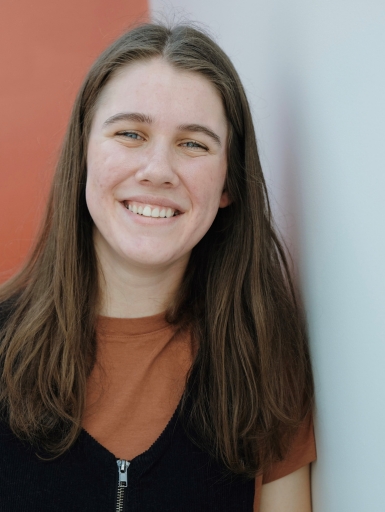
headshot of Lizzie Michalak

Lizzie Michalak, Senior, Mechanical Engineering & Catholic Studies

Coming from St. Paul, I had always heard about UST, but while touring the campus, I knew that I could thrive here and would have lots of opportunities for individual learning, research, projects, etc. I also was interested in coming to UST because I had heard about the Catholic Studies in Rome study abroad semester, and I knew from the beginning that I wanted to do that program and make it possible, even while doing engineering. I was drawn to the fact that I would be able to have an inter-disciplinary and well-rounded education.


As a freshman at UST, I got involved with a number of engineering clubs, and now as a senior, I am the on the executive board for the Society of Women Engineers (SWE) club, where I am involved with planning and running events every month for engineers on campus. I also am a student researcher on campus, involved in a research project in the Materials Science and Engineering department.


In high school, I loved math and physics and specifically enjoyed the problem-solving component of them. I also really liked figuring out and knowing how things worked, so I started on the mechanical engineering route, and I ended up falling in love with the classes and the content we were covering. I also loved how mechanical engineering allowed you to go into so many different areas of work and industry, and that there wasn’t a limit to what you could do or go into.


I love soccer, both playing and watching it, and I love doing anything outside. I also love traveling because I love exploring new cities and learning their history and getting to experience new cultures.


My advice for young women in engineering would be to connect with professors and women in industry to have that network of support and have experienced professionals that can answer questions. My other advice is to be yourself and be confident in your ability as an engineer and in what you can do.


Elsie Kmecak

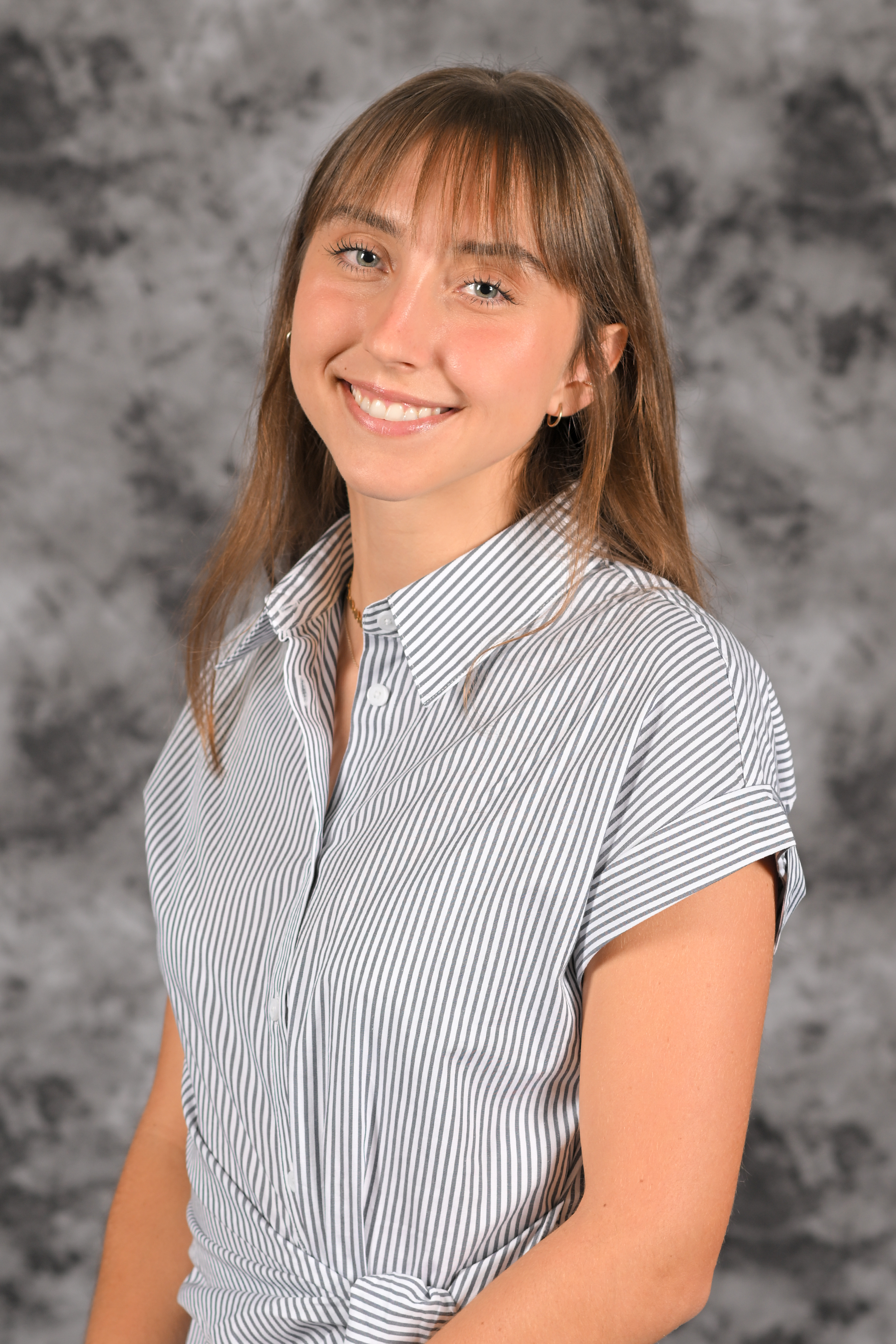
Headshot of Elsie Kmecak

Elsie Kmecak, Junior Mechanical Engineering major with minors in Materials Science & Engineering and Sustainability

I was contacted by the cross country/track & field coaches here and decided to come on a visit. The campus was the most beautiful I’d seen and I loved the location in the heart of the Twin Cities. I was excited by the expanding campus, enthusiastic professors and students, and the endless career opportunities in the surrounding area.

I am a member and team captain of the NCAA women’s cross country and track teams on campus. The sport is year-round with three seasons of competition. While it is sometimes stressful to balance athletics and an engineering curriculum, I find the challenge exciting and motivating. My attitude toward one area tends to influence others.

I worked closely with Dr. Brittany Nelson-Cheeseman in her research lab this summer. The role allowed me to gain laboratory experience designing and executing my own experiments. I learned so much about academic writing, the research process, and the field of Materials Science.

In addition, I am a member of the Society of Women Engineers as a “SWEsters” mentor, offering guidance to underclassmen engineering students. I am also a cross-country representative for the Student-Athlete Advisory Committee, a club that works closely with athletic department staff to improve the student-athlete experience across all sports.


I always planned on majoring in mechanical engineering, but I became interested in materials science after attending a scholarship event at St. Thomas the winter before my freshman year. Dr. Nelson-Cheeseman presented her research with a student, and it captured my attention. I was originally interested in a biomedical engineering minor but decided on materials science due to its interdisciplinary nature and application in any industry.

My favorite things are my dogs Lucy and Penny. I also love to read, listen to music, drink coffee, ski, bike, and watch plays and musicals.

Always believe in yourself and believe that you belong. Walk into every class, meeting, or presentation with confidence. Treat those times as job interviews. Make connections with your professors, speakers, etc. You never know what doors of opportunity can open with a simple introduction or question.


Zoe Olson

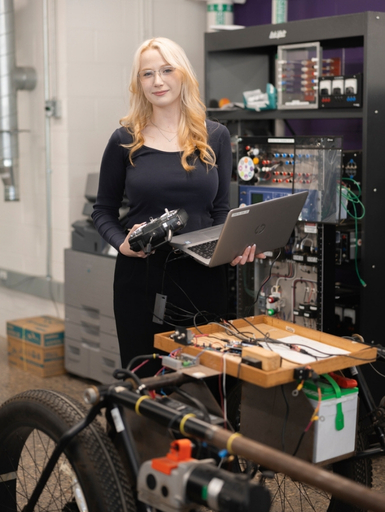
Headshot of Zoe OlsonZoe Olson, Junior, Computer Engineering and Finance

I transferred to St. Thomas after starting my college degree in New Zealand. The things that drew me here, and particularly the engineering program, are the small class sizes, the feeling that the professors know who you are and care about your success, and the brand-new lab spaces.


Currently, I am in two research positions.

My first project is an Undergraduate Research Opportunities Program (UROP) grant where I'm working on using programmable hardware (FPGAs) to accelerate the pricing of financial options, which is a current computing trend in financial engineering. This project brings together faculty from both the Opus College of Business and the School of Engineering.

My second project is in collaboration with Dr. Chong Xu, where we’re working on an autonomous rover for agricultural applications. In this position, I am developing my skills in embedded systems and robotics and will eventually be integrating navigation and vision into this system as well.

I also serve on the Dean's Student Advisory Board and am an Engineering Ambassador, which gives me the opportunity to share my experiences at UST with prospective students and help them envision their own path in engineering.


My initial interest in engineering came from my involvement in FIRST Robotics Competition during high school. I love the hands-on problem solving and the constant learning that comes with engineering, since there's always emerging technologies. My experience in robotics makes my current research even more exciting as I'm applying skills I've been developing for over eight years.


When I'm not on campus, I’m usually at Breck School mentoring high school robotics teams and leading a middle school VEX IQ program, which allows me to give back to the robotics community that shaped my interests. Outside of engineering, I've been trying to find the best matcha latte in Minnesota and love exploring new coffee shops around the Twin Cities.


My advice is don’t be afraid to be the person who asks questions or doesn't know everything yet. It’s okay to say, ‘I don’t know’. This took me a while to get comfortable with, especially if you’re one of few women in the room. Engineering is about problem-solving and learning, not knowing everything from day one. Also, reach out to upperclassmen, professors, or professionals in the field. Most people are happy to help, I know I am!